Who Needs Periodontal Treatment in Ventura and Why?
@finnzwsu293
Gum disease rarely starts with drama. More often, it begins quietly, with a little bleeding in the sink, gums that look puffier than usual, or breath that does not improve no matter how carefully someone brushes. Many people in Ventura live with those signs for months, sometimes years, because they do not hurt at first. That is exactly why periodontal problems can advance so far before anyone realizes there is real damage.
Periodontal treatment matters because the gums, connective tissue, and bone around the teeth are not decorative. They are the support system. When that support weakens, teeth can loosen, shift, or become harder to clean. A person may think they have a cavity problem, or a bad breath problem, or simply sensitive teeth, when the issue is deeper and more structural.
When people search for Periodontal Treatment Ventura, they are often asking two questions at once. First, do I actually need treatment? Second, if I do, why now? The honest answer is that not everyone with mild gum irritation needs advanced periodontal therapy right away. But plenty of adults, and some younger patients too, do need more than a routine cleaning. The difference comes down to inflammation, tissue attachment, bone support, risk factors, and what a trained exam reveals beneath the gumline.
What periodontal treatment is really treating
Periodontal treatment addresses infection and inflammation in the tissues that hold teeth in place. At the earliest stage, gingivitis affects the gums alone. Gums may bleed during brushing, look red instead of coral pink, and feel tender or swollen. Gingivitis is common and, in many cases, reversible with professional cleaning and consistent home care.
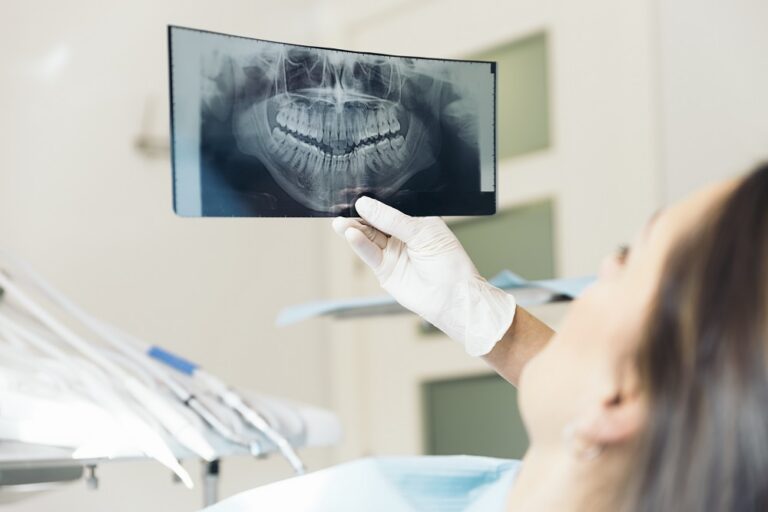
Periodontitis is different. Once the inflammatory process starts damaging the ligament and bone around the teeth, the stakes change. Pockets can form between the gums and teeth, trapping bacteria where a toothbrush cannot reach. Bone loss can occur slowly enough that a person feels normal while support is disappearing. That is why periodontal charts and dental X-rays matter so much. They show what eyes alone cannot.
Treatment varies depending on severity. Some patients need deep cleaning below the gumline, often called scaling and root planing. Others may need localized antibiotic therapy, more frequent periodontal maintenance, correction of plaque-retentive restorations, or referral to a periodontist for surgical care. The point is not to apply the most aggressive treatment to everyone. The point is to match treatment to the actual condition.
The people most likely to need it
In practice, the patients who need periodontal care are not a narrow group. They include busy professionals who postponed cleanings, retirees with dry mouth from medications, smokers with surprisingly little visible bleeding, and healthy young adults who simply have a family tendency toward more aggressive gum disease. There is no single profile.
Some groups do stand out, though:
- Adults who bleed when brushing or flossing on a regular basis
- People who have not had a professional dental cleaning in a year or more
- Smokers or former smokers
- Patients with diabetes, especially if blood sugar control is inconsistent
- Anyone who has been told they have bone loss, gum pockets, or recession
That short list covers many of the common patterns seen in dental offices, but it does not capture every case. Periodontal disease can show up in patients who look low risk on paper. I have seen people with excellent brushing habits still need treatment because crowding, clenching, old dental work, mouth breathing, or genetics created perfect conditions for chronic inflammation.
Why Ventura patients often miss the early signs
Ventura has the same broad periodontal risk profile as many coastal California communities, but patient behavior often shapes how early problems are caught. People here tend to be active, busy, and outdoors. That can be good for overall health, but oral health still gets postponed. A person will stay on top of annual physicals and ignore bleeding gums because it feels minor by comparison.
There is also a common misunderstanding about clean teeth. Someone may say, “My teeth feel smooth, so I thought everything was fine.” Smooth enamel is not the same thing as healthy periodontal tissue. Bacteria below the gumline can keep driving inflammation even when the visible surfaces look decent. Another person may notice recession and assume it is just age. Sometimes it is age related wear, but recession can also signal trauma from brushing, clenching, or active periodontal disease.
Ventura patients with demanding work schedules, shift work, caregiving duties, or long gaps between appointments often fall into a pattern where routine care becomes reactive care. They come in because something feels off, not because the disease was caught early. By then, what would have been managed with a straightforward cleaning and home care may require a more involved periodontal plan.
Bleeding gums are not normal
This is one of the clearest dividing lines. Healthy gums do not routinely bleed from gentle brushing or flossing. If there is bleeding once after a long break from flossing, that may simply reflect temporary inflammation. If there is bleeding several times a week, blood when eating certain foods, or pink in the sink nearly every morning, that deserves professional evaluation.
People normalize bleeding because it is common. Common does not mean healthy. The gums are vascular tissue, and inflammation makes them fragile. When plaque and tartar sit at the gumline, the immune response intensifies. The tissue swells, the seal around the tooth weakens, and bleeding becomes easier. Over time, the problem can move from superficial irritation to deeper periodontal breakdown.
Some patients avoid flossing because it bleeds, which makes the cycle worse. Others brush harder, thinking they need to scrub away the problem, and irritate the area further. A careful exam helps separate gingivitis, recession, traumatic brushing, and true periodontal pocketing.
Loose teeth, drifting teeth, and bite changes
One of the more advanced warning signs is movement. Sometimes it is obvious, like a front tooth that suddenly looks out of line in photos. Sometimes it is subtle, like spaces trapping food where they never did before. Patients often blame aging, grinding, or a recent dental procedure. Those can be contributors, but gum and bone support need to be checked.
A stable tooth depends on enough surrounding bone and healthy periodontal ligament attachment. If chronic inflammation reduces that support, the bite can start to change. A patient may say, “My teeth don’t come together the same way they used to.” That sentence gets attention for a reason. It can signal clenching or occlusal trauma, but it can also reflect periodontal progression.
Not every loose tooth means widespread gum disease. A cracked root, recent injury, or isolated infection can create similar symptoms. That is why diagnosis matters more than assumptions. Still, tooth mobility is never a symptom to brush off.
Receding gums do not always mean the same thing
Gum recession is common in adults, and it has several causes. Aggressive brushing, thin gum tissue, orthodontic movement, and clenching can all play a role. Periodontal disease is one possible cause, not the only one. This is where a lot of confusion starts.
A patient may notice longer-looking teeth and immediately fear advanced disease. Another may assume recession is purely cosmetic and ignore it. The truth sits somewhere in the middle. Recession can expose roots, increase sensitivity, and make plaque control more difficult. It can also coexist with inflammation and bone loss.
The important question is not simply, “Are the gums receding?” It is, “Why are they receding, and what else is happening around those teeth?” If recession appears alongside bleeding, deeper probing depths, tartar under the gums, or bone loss on X-rays, periodontal treatment becomes much more likely.
The diabetes connection is real
Few medical conditions affect periodontal health as consistently as diabetes. The relationship works both ways. Poor glycemic control can make gum disease more likely and harder to manage, while active periodontal inflammation can complicate diabetes management. That interplay is well recognized in dental and medical care.
In everyday terms, this means a patient in Ventura with diabetes who notices bleeding gums, persistent bad breath, or delayed healing after cleanings should not wait. Early periodontal care can reduce bacterial load and inflammation, making the mouth easier to maintain. It does not replace medical management, but it can support it.
Even patients with well-managed diabetes benefit from closer periodontal monitoring. A six-month cleaning interval may not be enough for everyone. Some do better with three- or four-month periodontal maintenance because it interrupts the cycle before deeper pockets flare up again.
Smoking and vaping still change the picture
Tobacco use has long been one of the strongest risk factors for periodontal disease. Smoking reduces blood flow, alters immune response, and can mask obvious signs of inflammation. That masking effect matters. A smoker may have less bleeding than expected, which creates the false impression that the gums are healthy.
Vaping is still being studied in depth, but from a practical clinical perspective, nicotine exposure and dry mouth are not helpful to gum health. Many patients who switch from cigarettes to vaping assume the dental risk disappears. It does not. The risk profile may change, but it does not become negligible.
Former smokers also need careful follow-up. Quitting is a major win for oral and overall health, but existing bone loss does not reverse overnight. Many patients who stopped years ago still need ongoing periodontal maintenance because the damage occurred earlier and requires long-term management.
Why routine cleanings are not always enough
This is where many patients feel surprised, and sometimes frustrated. They come in expecting a standard prophylaxis and learn they need periodontal treatment instead. It can feel like a sudden upsell if no one explains the difference clearly.
A routine cleaning is designed for mouths without significant periodontal pocketing or heavy deposits below the gums. It removes plaque, surface stain, and tartar from accessible areas. Periodontal treatment goes deeper. When calculus is attached below the gumline and pockets have formed, a routine cleaning does not address the real source of infection.
Think of it like clearing only the visible debris while leaving the material packed into the foundation. The mouth may look cleaner for a short time, but the disease process continues. That is why measurements matter. When gum pockets deepen beyond what a patient can clean at home, and when bleeding and calculus are present below the tissue, the treatment plan has to change.
What an exam usually reveals before treatment is recommended
Patients often imagine periodontal treatment decisions https://zanderklbw917.valoradigest.com/posts/periodontal-treatment-ventura-restoring-gum-health-naturally-and-clinically are subjective. In reality, dentists and periodontists rely on a combination of findings. A recommendation is usually based on the whole picture, not one symptom in isolation.
Common findings that support treatment include:
- Periodontal pocket depths that are deeper than healthy gum measurements
- Bleeding on probing, which suggests active inflammation
- Tartar and plaque below the gumline
- Radiographic evidence of bone loss
- Gum recession, mobility, or furcation involvement around molars
When several of these appear together, the case for treatment becomes strong. When only one appears, the plan may be more conservative. That judgment is where experience matters. Not every four-millimeter area is a crisis. Not every patient with recession needs extensive therapy. Good care depends on distinguishing stable conditions from active disease.
The role of age, hormones, and medications
Age alone does not cause periodontal disease, but cumulative exposure does matter. The longer plaque control has been inconsistent, the more opportunity bacteria have had to create chronic inflammation. Older adults also tend to take more medications, and many medications reduce saliva flow. A dry mouth is not just uncomfortable. It changes the oral environment, often making plaque control more difficult.
Hormonal shifts can also affect the gums. Pregnancy, perimenopause, and menopause can change tissue response and inflammation patterns. Some women in their forties and fifties notice increased bleeding or tenderness despite no major change in brushing habits. That does not automatically mean severe periodontal disease, but it is worth evaluating rather than dismissing.
Medications for blood pressure, seizures, or immune conditions can influence gum tissue as well. Some contribute to enlargement or make oral hygiene more challenging. Others increase susceptibility to infection or delayed healing. A thorough health history is not paperwork for its own sake. It shapes the periodontal diagnosis.
People with dental work are not off the hook
Crowns, bridges, implants, veneers, and fillings can all function beautifully, but restorations also create maintenance demands. Margins that trap plaque, old fillings with rough edges, or bridge designs that are difficult to clean can raise periodontal risk. I have seen patients who take pride in having “all the dental work done” and assume the hard part is over. Often, the opposite is true. Once a mouth contains more restorative work, maintenance becomes more important, not less.
Implants deserve special mention. They do not get cavities, but the tissues around them can become inflamed. Peri-implant mucositis and peri-implantitis are real concerns, especially in patients with a history of gum disease. If someone has had periodontal problems around natural teeth, their implants should be monitored with the same seriousness.
What treatment often feels like for the patient
A lot of anxiety around periodontal treatment comes from old stories about “deep cleanings” that sounded mysterious or punitive. Modern care is more straightforward than many people expect. If scaling and root planing is recommended, the area is typically numbed, deposits are removed from below the gums, and the roots are smoothed to make healing easier. Depending on the extent, treatment may be completed in sections.
Some patients feel mild soreness for a day or two. Others mainly notice that their gums feel tighter and cleaner as swelling goes down. If disease is advanced, treatment is often the first stage rather than the final step. Reevaluation matters. The dentist or periodontist needs to see how the tissue responds once bacterial buildup is reduced.
After active therapy, maintenance is where results are preserved. This is the part many patients underestimate. Periodontal disease is usually managed, not “cured” once and forgotten. That is not a sign of failure. It is how chronic inflammatory conditions work. Patients who accept that framework tend to keep their teeth longer and avoid bigger interventions later.
Who should schedule an evaluation sooner rather than later
Some warning signs justify prompt attention, even if a person is not in pain. Persistent bleeding, gum swelling that comes and goes, chronic bad breath, a loose tooth, new spacing, or tenderness when chewing should all move up the priority list. So should a history of gum disease combined with a long gap in professional care.
There is also a practical point that deserves emphasis. Periodontal treatment is usually more conservative and more affordable when started earlier. Mild to moderate disease can often be stabilized before surgery becomes a discussion. Once significant bone loss develops, options narrow and stakes rise.
For patients in Ventura searching for Periodontal Treatment Ventura, the best next step is not self-diagnosis through symptoms alone. It is a periodontal evaluation that includes measurements, imaging when appropriate, and a plain-language explanation of what is active, what is stable, and what actually needs to be done.
Why this matters beyond the gums
People usually seek treatment because of what they can feel or see, bleeding, sensitivity, bad breath, mobility, recession. But the larger reason to pay attention is function. Healthy gums support comfortable chewing, cleaner speech patterns, stable bite forces, and confidence in social settings. They also make other dental treatment more predictable. It is difficult to build long-lasting restorative work on an unhealthy periodontal foundation.
There is also the quality-of-life piece that patients mention once treatment is underway. They say their mouth feels fresher. Their gums stop throbbing when they floss. They no longer avoid smiling because one front tooth looked longer than the other. These are not cosmetic details in the trivial sense. They affect daily comfort and self-assurance.
The people who need periodontal treatment in Ventura are not just those in severe pain or facing tooth loss tomorrow. They are often people with early warning signs that have been easy to dismiss, people with medical or lifestyle risks that quietly amplify inflammation, and people whose regular cleanings are no longer enough for the condition present in the mouth. The why is simple, even if the biology is complex: untreated gum disease does not usually stay still. It progresses. Timely care gives patients a chance to stop that progression while more of their natural support is still intact.
Avra Dental
Address: 1708 S Victoria Ave B, Ventura, CA 93003
Phone number: (805) 941-1001
FAQ About Periodontal Treatment Ventura
Can a dentist get rid of periodontal disease?
A dentist or gum specialist (periodontist) cannot fully cure or reverse advanced periodontal disease (periodontitis), but they can successfully stop its progression and manage the infection.
Is periodontitis very serious?
Yes, periodontitis is a very serious, advanced form of gum disease that destroys the bone and tissues supporting your teeth.
How is stage 2 periodontal disease treated?
Stage 2 periodontal disease (early to moderate periodontitis) is primarily treated with non-surgical deep cleaning procedures like scaling and root planing to remove bacteria and tartar below the gumline.